Care Is the New Aesthetic
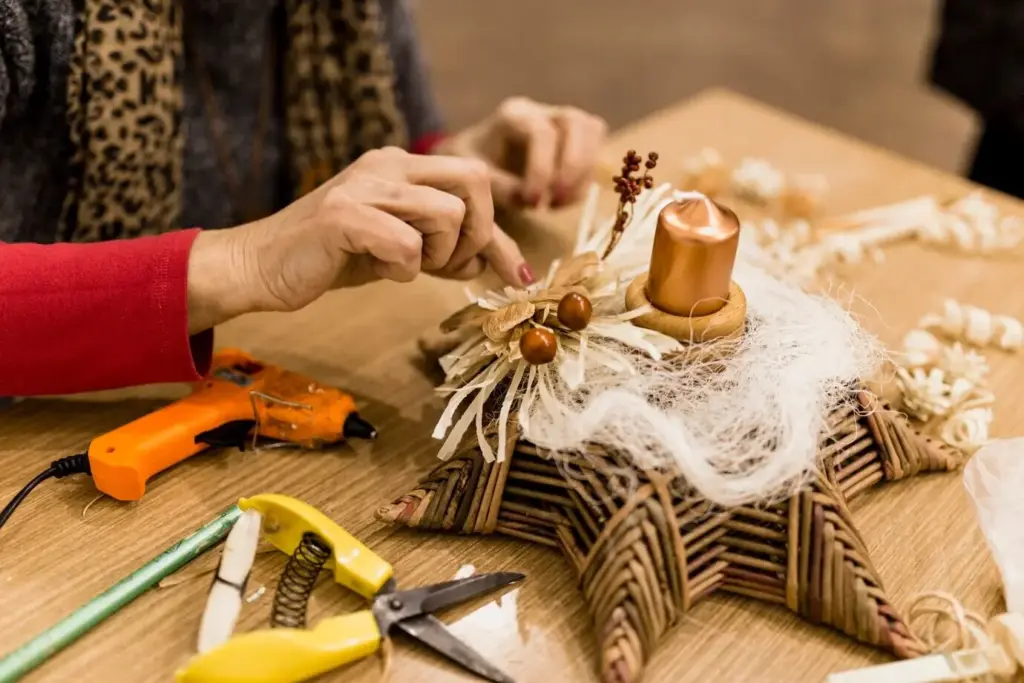
Join us as we explore Maintenance as Design: Incorporating Repairability and Care Rituals into Sustainable Interiors, turning daily upkeep into beauty, resilience, and meaning. We’ll translate practical repair strategies and soulful routines into inviting spaces that age gracefully, reduce waste, and empower everyone at home.

Foundations of Care-Forward Interiors

Design shines when it stays lovable, fixable, and generously clear about how to care for it. By centering maintenance from day one, interiors move beyond novelty toward stewardship, longevity, and shared responsibility. We’ll connect materials, layout, and habit design so small actions compound into lasting, sustainable comfort that feels grounded and human.

Materials and Finishes You Can Heal

Wood, Joinery, and Friendly Fasteners
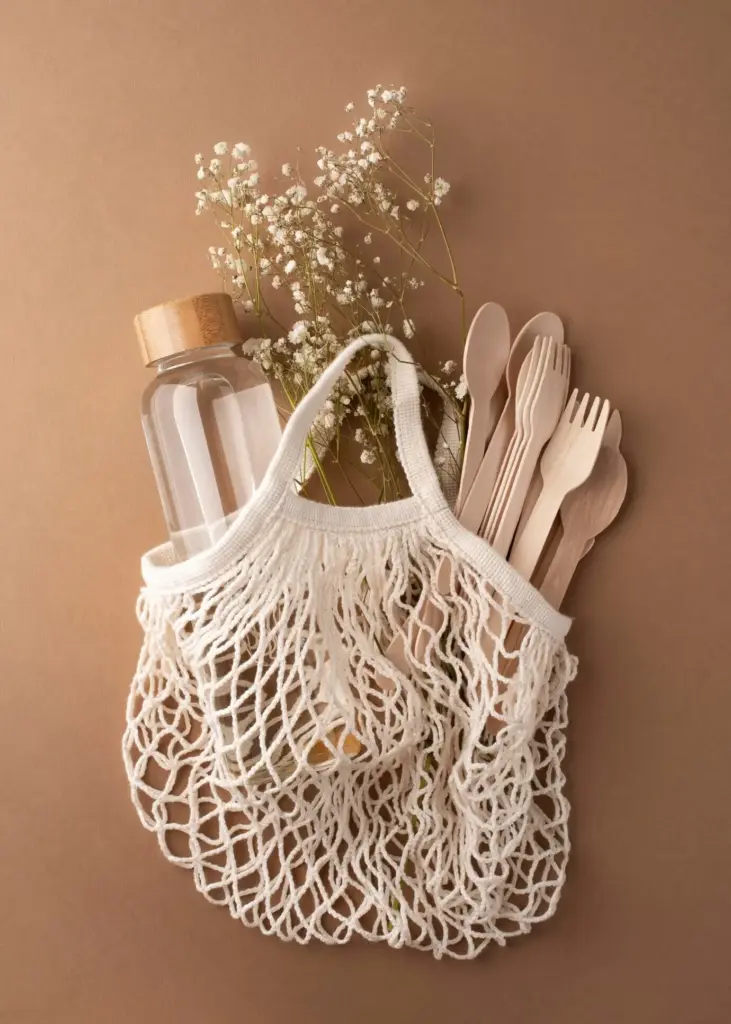
Specify solid wood where it encounters stress, and design joints for disassembly. Screws over permanent glues, replaceable wear strips, and standardized dimensions make restoration intuitive. Provide offcuts for future patches. A small repair kit nearby transforms hesitation into action, preserving details while preventing tiny issues from growing expensive.

Renewable Surface Care Without Harsh Steps

Favor finishes that allow localized refinishing. Hardwax oils, soap finishes, and breathable paints invite spot repairs and annual rituals, not disruptive overhauls. Keep gentle cleaners, microfiber cloths, and touch-up oils within reach. A simple calendar reminder reduces anxiety, sustaining luster without erasing the earned character time lovingly creates.

Textiles Designed to Be Mended

Choose removable, zippered covers, modular cushion inserts, and upholstery with accessible seams. Look for documented fabric specifications and spare yardage. A visible darning kit, color-matched thread, and swatches encourage quick stitches that outpace damage. When maintenance feels approachable, beloved pieces stay in circulation and memories remain comfortably seated.

Access, Modularity, and Clear Documentation

Care thrives where hands, eyes, and tools can reach. Plan service clearances, hinged panels, and standardized fasteners from the start. Add QR codes linking to diagrams, care notes, and part numbers. Organized documentation shortens repair journeys, builds user confidence, and creates a welcoming loop between design intent and daily reality.

Service Paths Hidden in Plain Sight

Design toe-kick drawers for tool storage, magnetized panels for filters, and lift-off soffits for wiring checks. Mark shutoff valves discreetly but clearly. Maintenance becomes less about guesswork and more about gentle discovery when every critical component has a gracious, obvious way to say, “Here I am—care for me.”

Standardize Hardware, Simplify Tools

Reduce the number of bit types and fastener sizes used throughout a space. Provide a clearly labeled multitool and spare hardware box near common intervention points. Consistency lowers cognitive friction, speeds routine tasks, and helps anyone—guest, teen, or neighbor—confidently participate in responsible, timely, and safe upkeep.

Living Manuals and Quick-Scan Guides

A one-page care sheet and a QR-linked, illustrated manual transform anxiety into action. Include exploded diagrams, intervals, and troubleshooting trees. Keep a small ledger for completed tasks, parts used, and observations. This memory of care increases resale value, eases handoffs, and honors the quiet craft of maintenance.

Rituals That Make Care Feel Beautiful

Sustainable interiors flourish when upkeep feels like nourishment rather than chores. Anchor quick wipe-downs to morning coffee, sharpen knives during playlists you love, and turn plant care into mindful pauses. Sensory cues—pleasant scents, warm light, smooth tools—invite participation, transforming micro-actions into restorative rituals that anchor resilient, welcoming spaces.

Circularity, Resale, and End-of-Life Planning

Favor mechanical fasteners over adhesives, accessible connectors, and separable layers. Color-code assemblies, map material flows, and avoid mixed composites that frustrate recycling. When pieces come apart cleanly, repair becomes faster, upgrades remain feasible, and eventual reintegration into new cycles feels like intention fulfilled rather than reluctant compromise.
Build relationships with upholsterers, sharpeners, refinishers, repair cafés, tool libraries, and community workshops. Keep a neighborhood directory on your fridge or shared drive. The stronger your local network, the easier timely fixes become—and the more your home supports livelihoods aligned with resilient, creative, low-waste living.
Track durability, repair frequency, and avoided replacements. Use QR-linked product passports to store material data, finish recipes, and compatible parts. Share these details when selling or gifting items, enabling smooth continuation of care. Transparency turns stewardship into culture, translating values into decisions others can confidently build upon.

One-Day Wins You Can Finish Tonight

Create a cleaning caddy, label shutoffs, mount a tool rail, and compile a quick-scan care sheet. Swap mismatched fasteners for standardized ones. Add felt pads, oil hinges, and refresh cutting boards. Celebrate completion with photos, then share your checklist with friends to spark friendly, practical accountability.

Weekend Deep Dive: A Chair Reborn

Choose a sturdy chair with tired upholstery. Photograph disassembly, save hardware, and document measurements. Replace webbing, add new foam responsibly, and sew a removable cover. Finish wood with oil and wax. You’ll learn sequencing, regain confidence with tools, and create a beautiful daily reminder that renewal is possible.

Host a Neighborhood Care Night

Invite neighbors for sharpening, patching, and plant repotting. Provide stations, share manuals, and trade spare parts. Capture tips on a shared document, then plan a quarterly meetup. These gatherings build community resilience, expand skill confidence, and keep cherished objects in circulation rather than quietly migrating toward the curb.

Polupexitolekimoni
Privacy Overview

This website uses cookies so that we can provide you with the best user experience possible. Cookie information is stored in your browser and performs functions such as recognising you when you return to our website and helping our team to understand which sections of the website you find most interesting and useful.