Stories That Make Furniture Last
Today we explore “Emotional Durability: Building Attachment to Sustainable Furniture Through Story,” revealing how narratives transform chairs, tables, and shelves into cherished companions. Expect practical strategies, maker insights, and heartfelt examples you can apply at home or in business, plus invitations to share your own objects’ journeys with our community.



Why Objects That Matter Endure
When furniture earns a place in our hearts, it stays in our homes, not in landfills. Emotional bonds extend useful life, reduce replacement cycles, and reward thoughtful making. By connecting material honesty with personal meaning, we create resilient relationships that outlast trends, thrive through repairs, and grow richer with time as surfaces record stories, rituals, and milestones worth celebrating together.
Designing For Attachment From Day One
{{SECTION_SUBTITLE}}
Signals That Welcome Patina
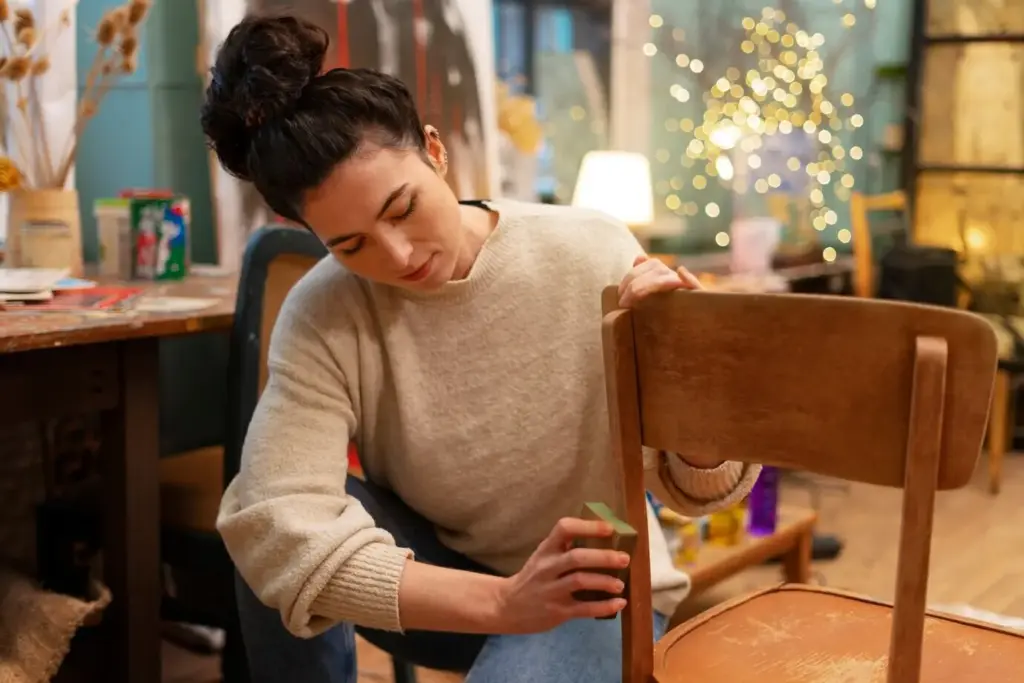
Materials that scuff beautifully, edges that soften, and finishes that respond to touch teach us that wear is not damage but biography. Chamfers, exposed joinery, and replaceable surfaces communicate permission to use without fear. Try noticing how a small ring mark or sun-fade tells time; such traces become personal chapters, encouraging continued care rather than anxious perfectionism or disposal.
Give It A Name And A Role
Naming a piece invites intimacy and responsibility. A bench called “Landing Place” becomes the daily companion catching mail, notes, and conversations. Rituals—Sunday oiling, seasonal tightening, celebratory polish—build continuity. In comments, name one cherished item, assign it a role, and describe a weekly routine that acknowledges its service. Small ceremonies nurture bonds, reinforcing pride and practical maintenance together.

Honest Timber, Honest Truths
Hardwoods like oak, ash, and walnut accept dents and oil gracefully, becoming warmer as years pass. Transparent finishes reveal grain and guide repairs. Keep a small kit—oil, wax, lint-free cloths—and schedule a calming thirty minutes monthly. Post your before-and-after results; you will inspire others to treat care like gardening, cultivating patient beauty rather than outsourcing maintenance or giving up.

Leathers And Textiles That Age With You
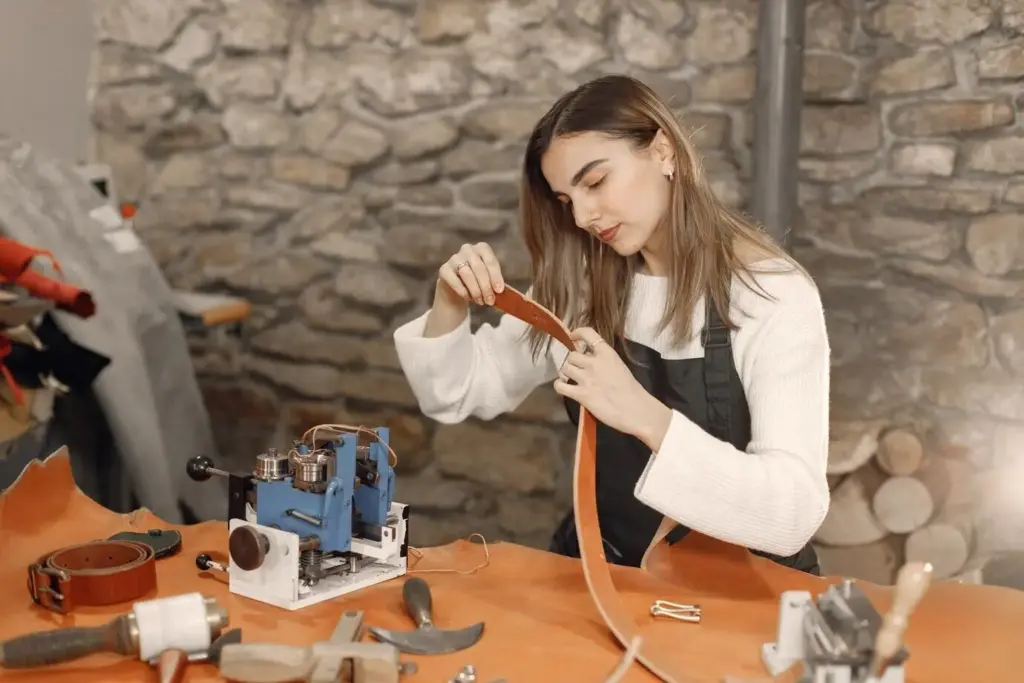
Full-grain leather deepens in tone and softness through sunlight, oils, and use, while wool blends can be re-woven or needle-felted. A visible mend tells a triumph, not a flaw. Consider contrasting thread that celebrates repair. Invite friends to a mending evening, document techniques, and swap scraps. Social care multiplies skills, strengthens bonds, and keeps treasured seats welcoming for decades.

Metals With Memory
Brass and steel can be brushed, waxed, and re-finished, embracing fingerprints and gentle tarnish as living surfaces. Select hardware with standard sizes so replacements are easy. Keep a small container for spare screws and label it with the piece’s nickname. When a knob loosens, tighten it immediately; quick interventions prevent creeping neglect, protecting usability and the relationship’s everyday trust.
Rituals, Maintenance, And Ownership Journeys
{{SECTION_SUBTITLE}}

Unboxing As A Welcome Ceremony
Imagine lifting a lid to find a handwritten note, a tiny vial of oil, and a short story about the piece’s origin. A playlist for first use, guidance for first assembly, and a pledge to repair with you create belonging. Share your unboxing photos and reflections; by narrating those first minutes, you seed a future of attentive, celebratory care.
Seasonal Care That Feels Like Self-Care
Align furniture maintenance with seasonal rhythms—spring dusting, summer oiling, autumn tightening, winter conditioning. Set calendar reminders and ritualize a cup of tea, gentle music, and unhurried attention. Invite household members to participate. Comment with your seasonal checklist and favorite products. You will likely discover the paradox: caring for objects quietly nourishes you too, grounding routines amid busy weeks.
Circular Ecosystems That Preserve Meaning
A durable tag, engraved code, or RFID chip can store manufacturing details, prior repairs, and owner notes. When resold, the next caretaker instantly accesses history, instructions, and maker support. Consider adding your own entry today. What did you last do for the piece? Upload a photo and a line of gratitude. Documentation transforms ordinary objects into living, communal archives.
Factory refurbish often erases traces of life. Instead, specify gentle refreshing that stabilizes function while preserving patina. Replace only what fails; celebrate what speaks. Train technicians to recognize meaningful marks and communicate decisions transparently. If you run a studio, publish refurb standards. Invite customers to vote on options, co-deciding how much history to polish and how much to honor.
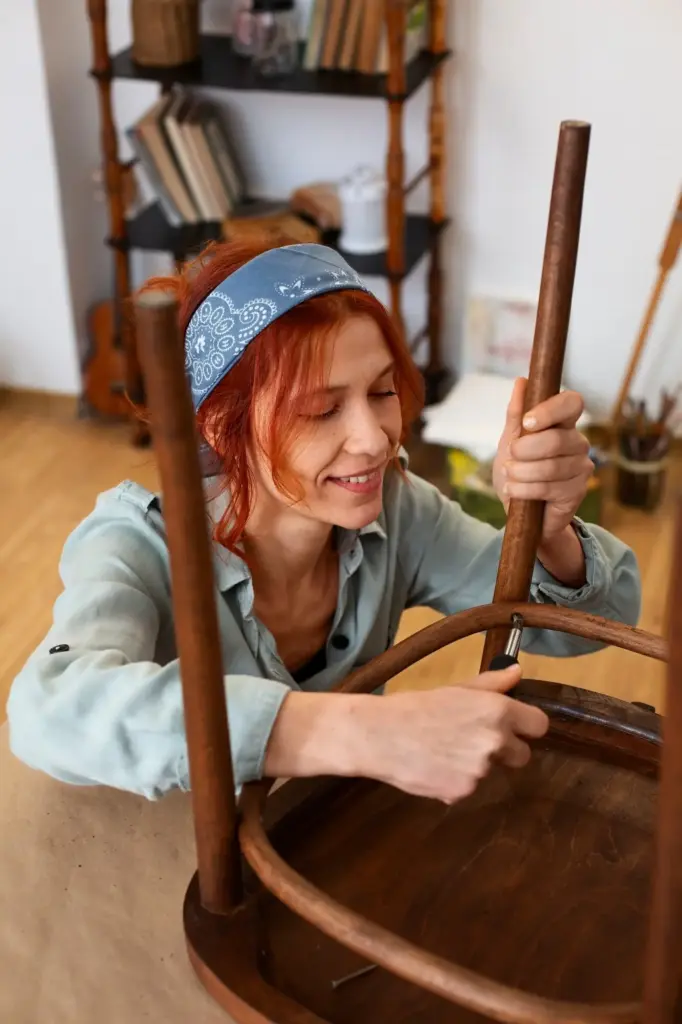
Host regular fix-it nights with labeled bins of standardized hardware, spare panels, and finishes. Provide jigs and illustrated guides. Newcomers learn from veterans; veterans feel valued. Keep a borrowing system for tools and specialty clamps. Share schedules and outcomes publicly. When neighborhoods normalize repair, narratives compound, and the promise of durability becomes a shared habit, not a rare exception.
Meaningful Metrics You Can Start Today
Create a simple dashboard: age of each piece, number of repairs, time since last care, and owner stories collected. Add estimated carbon avoided by delaying replacement. Review monthly, celebrate milestones, and publicly thank contributors. Numbers become motivation when they echo lived experience, turning intangible affection into visible progress you can share with teammates, clients, and fellow caretakers everywhere.
Research Through Customer Stories
Invite owners to submit audio notes, photos, and brief diaries describing interactions over weeks. Analyze what sparks affection—silky edges, reassuring weight, inherited marks. Use qualitative insights to refine materials, joinery, and onboarding. Feature standout stories with permission, credit contributors, and highlight their practical tips. Research becomes reciprocal when participants see their experience shaping sturdier, kinder design decisions.
Experiment, Learn, And Share Back
Pilot narrative elements on small batches: engraved maker initials, regional maps, or care tokens. A/B test onboarding letters versus videos, track repair kit usage, and compare resale prices with robust provenance. Publish findings openly so others can improve too. Add a comment requesting a specific experiment, and we may prototype it with you, turning curiosity into collective, measurable progress.
All Rights Reserved.