Give Legacy New Light
Today we dive into Upcycling with Meaning: Transforming Heirloom Pieces into Eco-Friendly Focal Points, celebrating resourcefulness, memory, and design integrity. We’ll explore how to honor family stories while reducing waste, revealing practical methods, inspiring case studies, and creative prompts that turn sentimental objects into captivating, sustainable centerpieces for modern life.
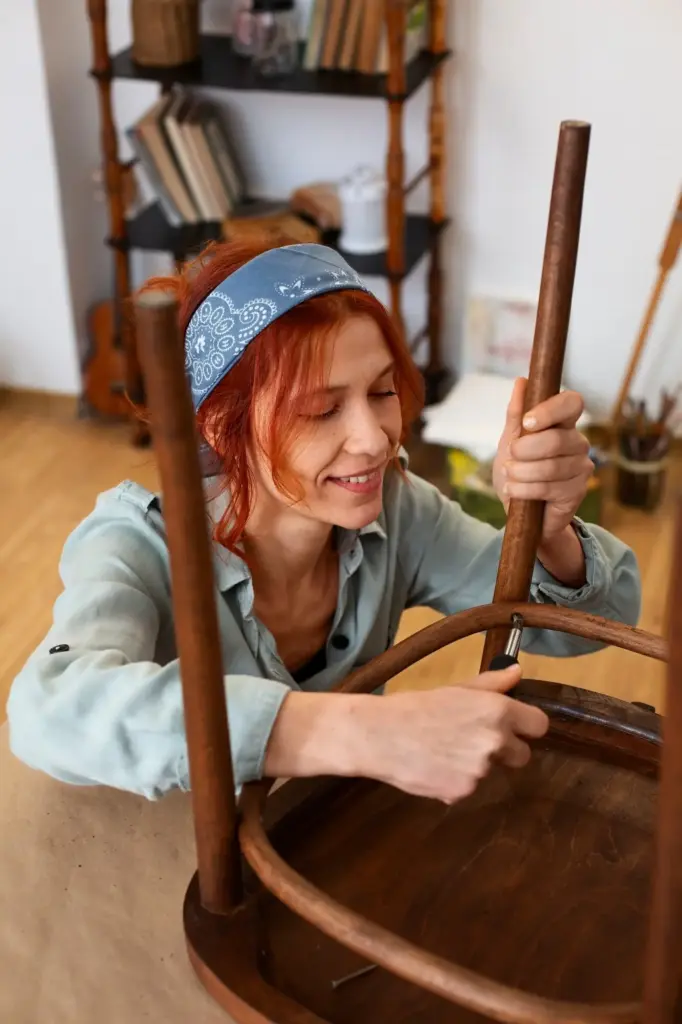
Listening to the Story in Every Object
Material clues and responsible choices
Identify species of wood, weave densities, or metal composition, and match them with low-impact methods. Hardwood with tight grain may handle refinishing gracefully, while delicate veneers demand lighter approaches. Responsible choices begin with understanding, letting the object’s makeup direct gentle, effective, and long-lasting transformations.
Finding the focal point without erasing the past
Seek one expressive feature worth celebrating: a carved apron, dovetail joints, or a distinctive textile border. Build your design around that highlight, maintaining patina where it speaks loudly. This approach prevents over-restoration, keeps character alive, and ensures your finished piece feels both fresh and deeply familiar.
Safety, preservation, and respectful restoration
Test for old finishes, lead-based paints, or fragile glues before diving in. Use ventilation, respirators, and reversible conservation techniques so future caretakers can revise your work without damage. Respectful restoration blends stewardship with creativity, protecting heirlooms while inviting them back into daily, meaningful use.
Design Strategies That Honor History
Thoughtful design isn’t about hiding age; it’s about framing it beautifully. Combine practical updates with subtle contrasts that heighten the original craftsmanship. Establish harmony through scale, color temperature, and texture so the piece anchors a room naturally, starting quiet conversations instead of shouting for attention.



Hands-On Techniques for Conscious Transformation
Skillful methods allow beauty and integrity to coexist. Prioritize reversible joinery, gentle surface preparation, and finishes with low emissions. By treating every step as stewardship, you protect the heirloom’s structural health and story, while confidently guiding it into a role that serves today’s routines.
Joinery, fasteners, and reversible methods
Use mechanical joinery, dowels, or knockdown hardware where possible, avoiding excessive adhesives. Reversible brackets and French cleats permit future tweaks without scarring. This approach preserves original construction, supports repairability, and keeps pathways open for future generations to modify, maintain, or restore with minimal compromise.
Non-toxic finishes and breathable treatments
Opt for plant-based oils, waterborne lacquers, and waxes with low VOCs. Breathable finishes stabilize moisture exchange and help aged wood avoid cracking. Spot-clean rather than strip aggressively when possible, protecting fibers and grain. Your finish should safeguard touchpoints while respecting indoor air quality and longevity.
Textiles, upholstery, and salvage-smart details
When reupholstering, recover frames with natural fabrics, or blend vintage remnants with durable modern backing. Replace foam with responsibly sourced latex or wool batting. Add salvage-smart details—rescued leather pulls, reclaimed brass tacks—to harmonize textures, reduce waste, and highlight handmade character with thoughtful, tactile finishing touches.

Carbon savings compared to buying new
Manufacturing new furniture involves harvesting, processing, and shipping stages. Restoring heirlooms recaptures embedded energy, often reducing emissions significantly. Estimate savings by considering avoided production and transport, then share your results. Transparent accounting encourages others to act, transforming personal choices into ripples of practical climate optimism.
Circular economy and waste diversion
Every repaired joint and repurposed plank extends the loop, keeping materials in productive circulation. Partner with local repair cafés and tool libraries to expand access and confidence. These community ecosystems multiply impact, turning single projects into collective momentum that normalizes repair, reuse, and respectful material stewardship.

Sourcing ethically and supporting local makers
When parts are needed, look to local artisans, reclaimed lumber yards, and small metal shops. Shorter supply chains lower transport impacts and build resilient skills networks. Fair pricing and clear provenance strengthen trust, ensuring each upgrade respects both environmental boundaries and the livelihoods of craft communities.
Stories from Homes That Chose Renewal
Narratives make methods memorable. Hearing how families reimagined treasures helps us envision our own possibilities. These vignettes reveal obstacles, happy accidents, and practical workarounds, reminding us that imperfect progress still yields beautiful, durable results that feel personal, grounded, and worthy of prominent, everyday appreciation.

A dining table reborn as a welcoming kitchen island
An oak table with burn marks found new life with a butcher-block extension, locking casters, and open shelving for pots. The scars remained, sealed safely, telling stories while anchoring family breakfasts. Function increased, waste decreased, and memories moved from storage into daily, nourishing conversation.
Grandmother’s sari into modern wall art and cushions
A frayed silk sari was stabilized behind museum-grade acrylic and complemented with cushion covers from intact panels. The living room gained saturated color and cultural continuity. Instead of fragility dictating neglect, respectful framing and reuse transformed vulnerability into radiance, inviting guests to ask, listen, and connect.
Workshop stool becomes a plant stand and reading nook anchor
A splintered stool received a reinforced seat and low-sheen finish, then partnered with a trailing pothos and a small reading lamp. The humble piece now guides a restorative corner ritual. Its dents read like topographical lines, mapping years of making, learning, and steady, hopeful perseverance.
Your Turn: Plan, Share, and Celebrate
Action sparks momentum. Start with one object, one hour, and one intention: preserve character, improve usefulness, and tread lightly. Share your process, ask for advice, and inspire neighbors. Community feedback transforms hesitation into courage, helping your renewed piece shine as an everyday reminder of values in motion.
All Rights Reserved.