Safer Shine, Lasting Stories
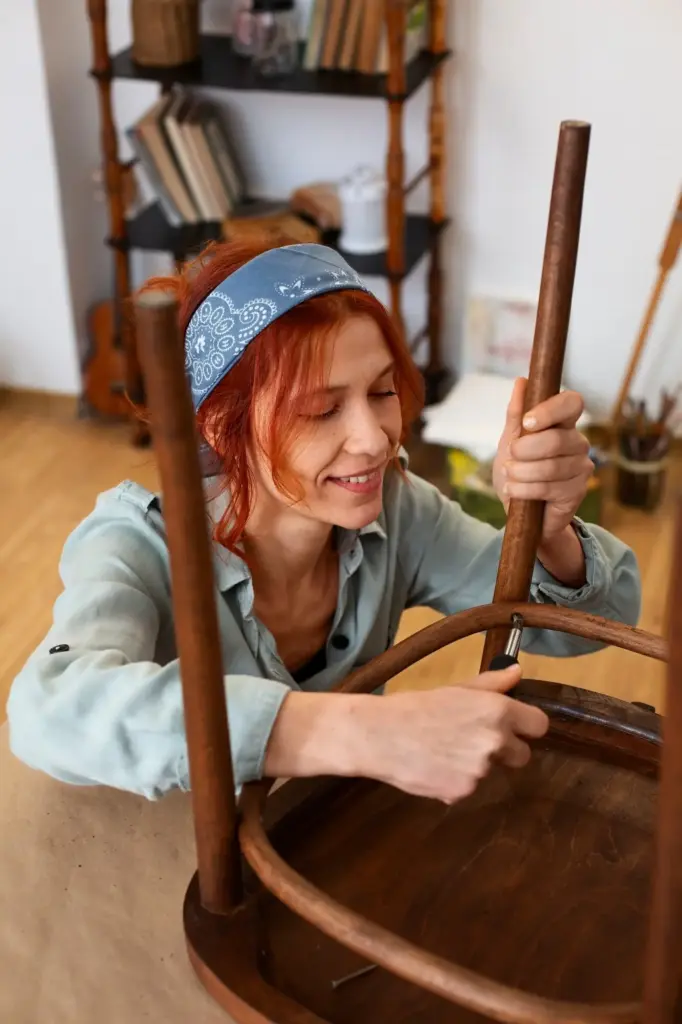


What Safety Really Means for Wood
Ingredients You Can Trust




Application Methods for Healthy Homes
Stories That Prove It Works
Maintenance That Protects People and Patina


Reading data sheets like a pro
A safety data sheet reveals more than marketing copy. Check sections on composition, exposure controls, and ecological considerations. Confirm that ventilation recommendations match your workspace, and ensure disposal instructions are manageable. Compare VOC numbers across similar products using the same test method. If terminology confuses, ask manufacturers for plain-language explanations. Keep printed copies with your project notes so any helper, neighbor, or future you can review details instantly, reducing confusion and building habits that keep households healthy while work proceeds smoothly.
Trusting both certificates and experience
Third-party certifications and emissions standards can guide selection, but they are companions to lived experience, not replacements. After following cure times, trust your senses: lingering harsh odor, headaches, or irritated eyes are signals to reassess. Small test boards help confirm adhesion, clarity, and feel before committing a whole dresser. Combine documented proof with practical trials, then record results. This balanced approach respects science and home life, giving you confidence that protection, aesthetics, and comfort will stand together over the long haul.
Choosing transparent makers and local support
Makers who share sourcing stories, batch variability, and honest limitations earn real trust. Local suppliers add hands-on guidance and quicker answers when conditions change. Attend demos, ask for sample quantities, and request open discussions about repairability and maintenance. Support businesses that publish updates when formulations evolve, then share your results back. This respectful loop keeps finishes safer and more dependable for everyone. Over time, neighborhoods build a collective knowledge base, preventing mistakes and helping treasured furniture remain welcoming across generations.
All Rights Reserved.